
Recording and Documentation of Cultural Heritage

Advantages of Our Technology
The documentation and 3D modeling of our cultural heritage allow for the creation of various products:
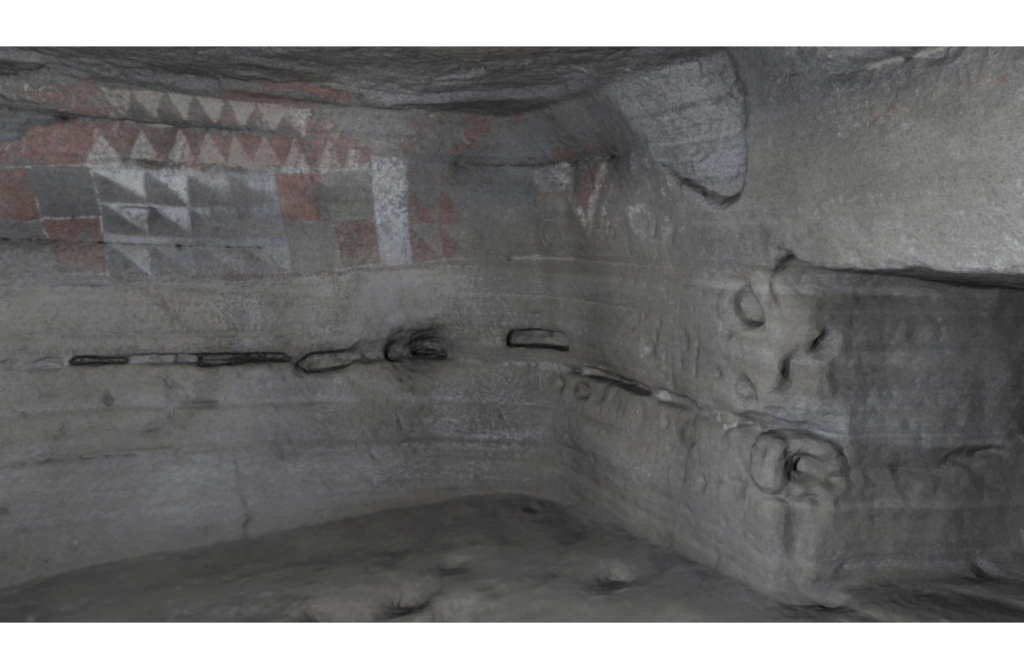
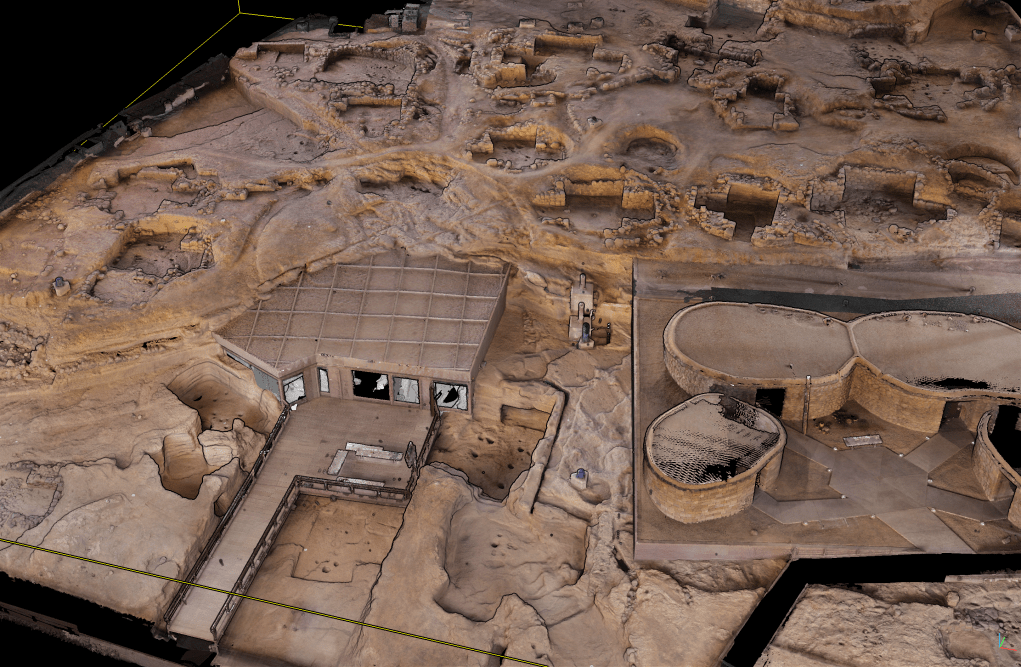
- From a technical standpoint, it enables the acquisition of precise and detailed 3D models using non-destructive methods for the analysis and conservation of architectural and archaeological scenarios.
- From a dissemination perspective, it includes the creation of physical replicas using 3D printers and virtual tours through augmented reality glasses. These are some of the most popular strategies for enhancing public engagement and accessibility.
By employing these techniques, we can:
- Enhance Conservation Efforts: The accurate and detailed 3D models aid in the analysis and preservation of architectural and archaeological sites. They provide valuable insights for restoration, conservation, and monitoring efforts.
- Facilitate Research and Analysis: Researchers and scholars can utilize the 3D models to conduct in-depth analysis, comparative studies, and virtual reconstructions. This contributes to a better understanding of our cultural heritage.
- Promote Accessibility and Engagement: Physical replicas created through 3D printing enable wider access to cultural artifacts and structures. Virtual tours using augmented reality glasses offer immersive and interactive experiences for visitors, even if they cannot physically visit the sites.
- Foster Education and Outreach: The availability of digital 3D models allows for the development of educational programs, online exhibitions, and interactive platforms. These resources facilitate learning, increase awareness, and foster cultural appreciation.
In summary, the documentation and 3D modeling of cultural heritage offer numerous benefits, including improved conservation efforts, research opportunities, enhanced accessibility, and engaging educational experiences. These strategies help us preserve and share our cultural heritage for current and future generations.